- Dragonfly Healing Touch Acupuncture2558 Roosevelt st, suite 202,
Carlsbad, CA 92008858-344-0889 

Traditional Chinese Medicine
How Acupuncture Is Helping Patients Finally Sleep Again
It’s 2:17 a.m., and you’re staring at the ceiling for the fourth night in a row. You’ve already tried melatonin, herbal teas, blackout curtains, white noise machines, and sleep apps reminding you to “relax,” but your mind is still racing through tomorrow’s responsibilities. Your body is exhausted, but your brain refuses to cooperate and by morning, you are irritable, foggy, and disconnected from yourself.
What you are experiencing is increasingly common. Insomnia affects millions of people worldwide, and for many, it becomes more than an inconvenience. Chronic sleep deprivation can impact mood, cognitive performance, immune health, hormone balance, cardiovascular function, pain perception, and overall quality of life. While prescription sleep medications can offer temporary relief, many people are searching for long-term solutions that address the root causes of sleeplessness rather than simply sedating the body. continue reading
Acupuncture for Stroke Recovery: Rebuilding the Brain
When a stroke hits, life can change in an instant. One moment you’re preparing breakfast before work, and the next you’re on the kitchen floor unable to move one side of your body. The weeks that follow are then filled with hospital visits, rehabilitation appointments, and often frustration. Tasks once performed automatically like buttoning a shirt, lifting a coffee cup, or speaking clearly, become daily battles.
Months of physical therapy can then follow, but progress is often slow. Speech can remain slurred and fatigue can be relentless. Many are desperate for additional help and can look to acupuncture to help with recovery. While acupuncture is not a replacement for emergency medicine or rehabilitation therapy, growing clinical research suggests it may offer meaningful benefits for some patients recovering from stroke. continue reading
From Tension to Relief: Rethinking Headaches with Acupuncture
For some, it comes after a long day at work. The symptoms come after a day sitting behind a desk. First, the dull ache creeps up from the base of the skull, wrapping slowly around the temples like a band tightening. By the end of the day, it’s blossomed into a full headache, paired with a stiff neck that makes even turning the head painful. Over-the-counter pain relievers, stretching, ergonomic pillows are all purchased with the hope they will make a difference. Some days are better than others, but the cycle always returns. continue reading
A Quiet Turning Point: Healing the Gut from Within
According to the IFFGD, the International Foundation for Gastrointestinal Disorders, approximately 5-10% of the world’s population has IBS, with most of those people under the age of 50. And like millions of people with gastrointestinal disorders, most have tried everything from elimination diets, medications, and probiotics, to stress management apps. One treatment many are surprised to discover is acupuncture and just how impactful it can be for gastrointestinal health. continue reading
How Acupuncture Is Helping People Navigate Autoimmune Disease
For those suffering from rheumatoid arthritis, mornings can be measured in minutes. How long before the stiffness eases? How long before gripping the coffee cup without pain is a reality? How long before feeling normal kicks in?
Even if you follow your rheumatologist’s treatment plan, take your medications, adjust your diet and pace your lifestyle, there are days when your body feels like it’s fighting a war you don’t fully understand. continue reading
Finding Relief in the Middle of Change: Acupuncture Supporting Women Through Menopause
Many women recognize the symptoms: your body feels like it’s on fire, hot flashes inconveniently interrupting important meetings, night sweats soaking the sheets, mood swings, and fatigue that no amount of coffee could fix. These are the symptoms that usher in the menopause era.
Doctors might suggest hormone replacement therapy (HRT), but for those looking for solutions addressing the body as whole and not just isolated symptoms, acupuncture could be the more natural option. continue reading
Acupuncture as a Supportive Therapy in Cancer Care
Anyone going through cancer treatment remembers certain milestones; diagnosis day, first/last day of chemo, and hopefully the eventual all clear appointment. First, the focus is on survival. But as the weeks pass, it isn’t just cancer that patients are fighting. It’s the nausea that lingers for days, the bone-deep fatigue, the sleepless nights, and the anxiety that creeps in quietly when the room is dark.
Oncologists often warn that, “Treatment can be as challenging as the disease itself.” What no one often realizes is that support can come from unexpected places, including through adjunct therapies like acupuncture. The integration of acupuncture into cancer care is not to replace conventional treatments, but to support patients through them. continue reading
Can Acupuncture Bring Relief Between Multiple Sclerosis Relapses?
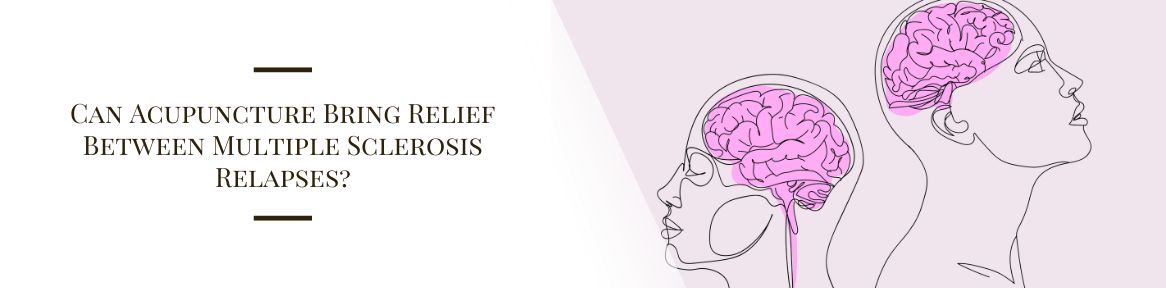
A diagnosis of multiple sclerosis (MS) can change life in an instant. One minute you’re seemingly fine and the next you find yourself in a neurologist’s office. Symptoms can creep in over a few months. Symptoms like tingling in the hands, unexplained fatigue that sleep doesn’t fix, and moments where your legs feel like they don’t belong to you.
MS is a chronic neurological condition where the immune system mistakenly attacks the protective covering of nerves, disrupting communication between the brain and body. Symptoms vary widely and include fatigue, pain, mobility issues, bladder dysfunction, and cognitive challenges, but what unites many patients is unpredictability.
Conventional treatments helped manage disease progression, but the day-to-day symptoms can remain. Many people with MS explore complementary therapies, not as replacements, but as support. And that’s where acupuncture comes in. continue reading
Acupuncture for Stress and Anxiety: A Research-Backed Guide to How and Why It Works
Stress and anxiety have become defining health concerns of modern life. Fast communication, demanding schedules, and constant stimulation keep many people in a near-continuous “fight-or-flight” state. Over time this activation can disrupt sleep, digestion, mood, immune function, and cardiovascular health.
While conventional treatments such as psychotherapy and medication can be highly effective, many individuals seek complementary approaches that regulate the body rather than simply suppress symptoms. One of the most studied integrative options is acupuncture, a traditional East Asian medical therapy practiced for thousands of years and increasingly validated by modern clinical research. continue reading
How an Ancient Therapy Supports Modern Reproductive Health

Infertility affects millions of couples worldwide, and for many, the journey to conception involves more than medical testing and assisted reproductive technologies (ART) like IVF. Increasingly, patients and clinicians are exploring integrative care, combining conventional medicine with evidence-informed complementary therapies. Among the most studied of these is acupuncture, a component of Traditional Chinese Medicine (TCM) practiced for more than 2,000 years.
Today, acupuncture is not viewed simply as an “alternative” therapy, but as a supportive physiological intervention that may influence hormonal regulation, blood flow, stress response, and reproductive function. While research findings are mixed and nuanced, a growing body of clinical evidence suggests acupuncture can play a valuable adjunct role in fertility treatment and natural conception efforts. continue reading